Insights
Seed for sowing or commercial grain? A detailed sourcing guide
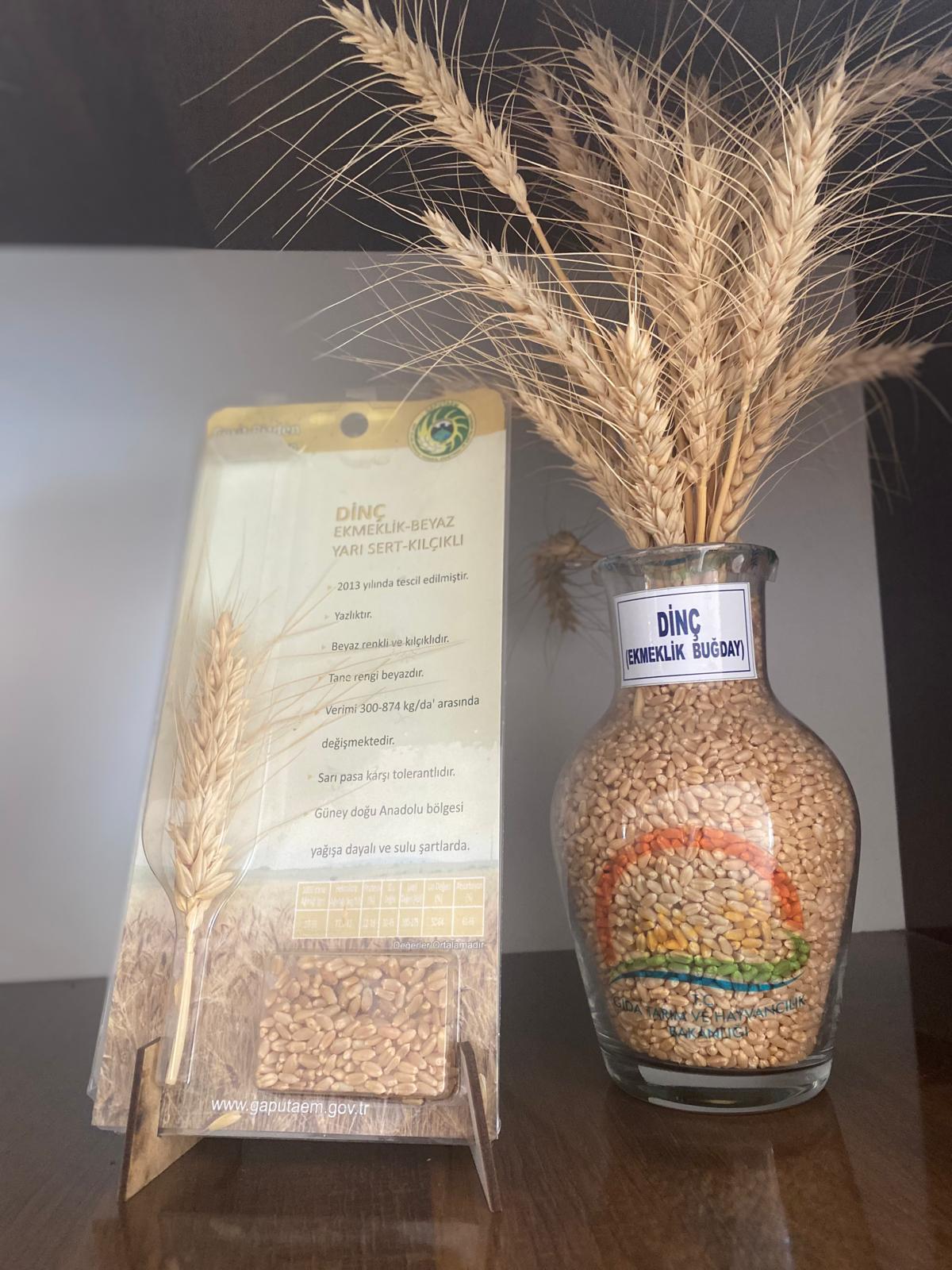
A sourcing conversation may begin with “we need wheat”. That statement alone does not explain how the goods will be used or which information is needed. A grower preparing for sowing and a business buying grain for flour, pasta or feed may use the same product name, while their assessment criteria, documents and acceptance conditions differ. A sound enquiry therefore starts with the intended use, followed by variety, quantity and destination. This order helps avoid a price discussion that has to be reopened later because the underlying requirement was never defined.
Questions to ask about seed intended for sowing
Variety identity, lot information, labelling and the relevant seed certification should be considered together. Ask which analyses or documents support parameters such as purity and germination. The assessment should concern the actual lot offered, rather than relying only on a general description on a product page. Information about the sowing region and intended use helps frame the conversation. However, a website description alone cannot establish local suitability or a yield outcome. The grower’s conditions, appropriate local guidance and current product documents all matter when evaluating a purchase.
Define the specification for commercial grain
For food or feed purchases, describe how the grain will be used in your business. The relevance of protein, moisture, test weight or another parameter depends on the process and the buyer’s acceptance conditions. Rather than spreading requirements across several messages, collect them in a clear specification. Identify mandatory criteria, preferences and how the analysis will be assessed. Two quotations carrying the same product name can then be compared more meaningfully. A reference target in a presentation is different from an agreed order condition: the requirement accepted by both parties should be recorded in writing.
Photographs, samples and analyses answer different questions
A photograph can show packaging, presentation or a working environment. A sample may support physical assessment. An analysis report provides information about the parameters examined. None automatically replaces the others. In particular, technical conclusions should not be drawn from a photograph when its connection to the offered lot is unknown. When requesting a sample, clarify which goods it represents and why it is needed. For an analysis, check the date, lot connection and parameters tested. The objective is not simply to collect more documents, but to connect the right evidence to the right product.
Include packaging and delivery in product selection
Even an appropriate product may not meet the requirement if the shipment plan is unsuitable. Discuss total quantity, unit pack weight, label language, delivery point and preferred period from the start. Explain any special requirements arising from storage or unloading arrangements. An approximate container tonnage is useful for planning, but the net load must be confirmed for the product, packaging and transport conditions. Preparation time and port-to-port transit are also separate stages. A realistic schedule considers both, together with the time needed to prepare and exchange the required documents.
Compare quotations on a common basis
Before comparing prices, check that the product definition, quantity, packaging, named destination and quotation scope are comparable. Freight, inspection or documentation included in one offer may be absent from another. Payment terms and quotation validity are also relevant. Ask for written clarification rather than filling gaps with assumptions. A short comparison list can cover product and use, lot and analysis, quantity and packaging, delivery point, document set, payment and timing. This makes the scope behind the price visible and helps the business decide which unresolved questions must be answered before proceeding.
A practical outline for your enquiry to Avesta
Begin by introducing your company and the intended use. Then provide the variety or product group, approximate quantity, destination country and any preferred port. Put technical specifications, packaging preferences and document requirements in a separate section. Finish with the target timing and the points that are not yet decided. A good enquiry does not require every detail to be final: it distinguishes what is known from what needs to be agreed together. This gives the Avesta team a useful basis for discussing current lot availability and supply options suited to your requirement.