
Insights
From field to delivery: packaging, traceability and shipment planning
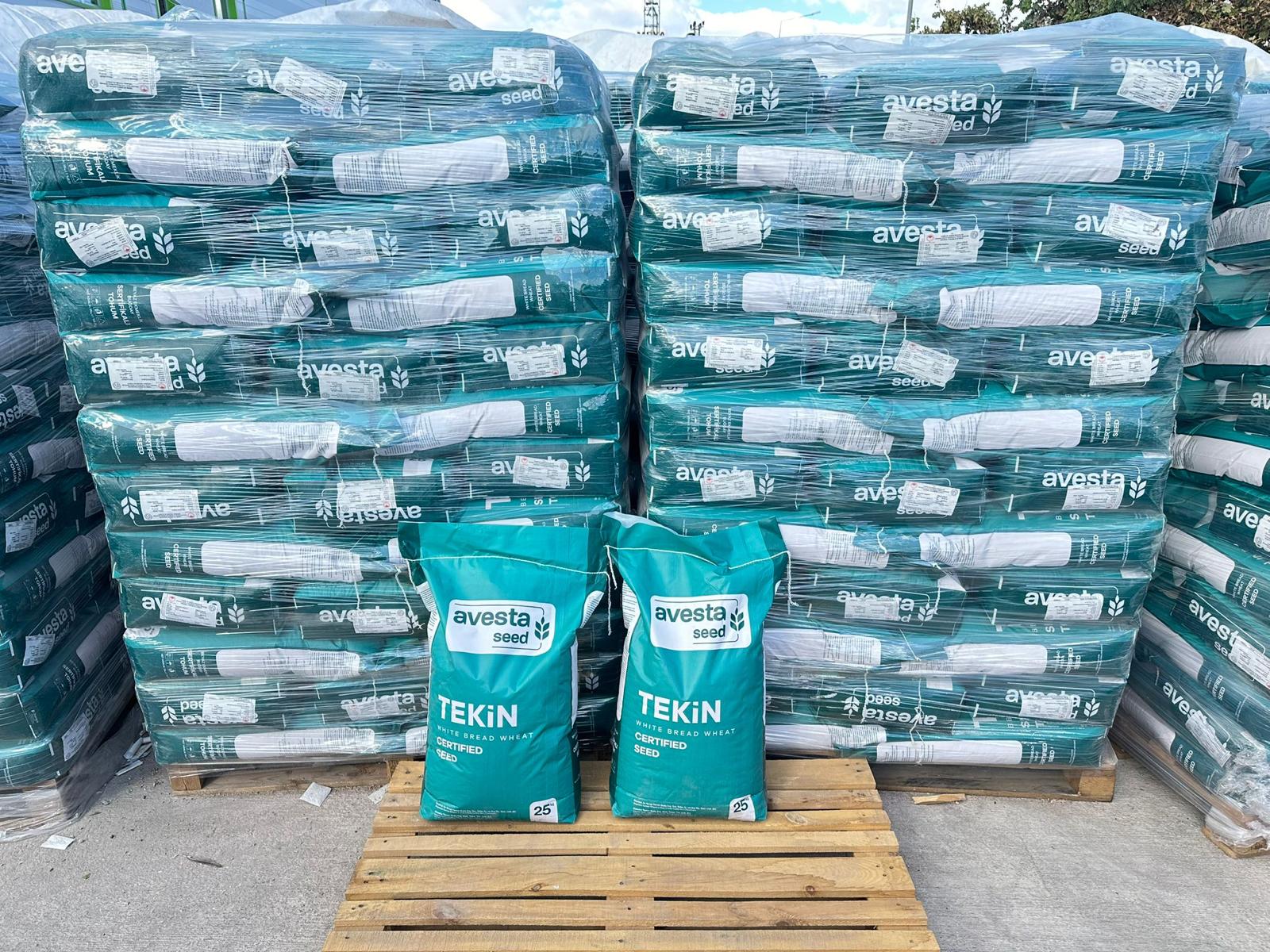
“When will it arrive?” is an understandable first question. The answer, however, depends on linked stages: product preparation, packing decisions, documents, carrier schedules and the delivery point. A useful plan therefore includes the decisions needed to reach the target date, not just the date itself. State the preferred delivery period at the beginning so the parties can identify what information must be completed and when. Making unresolved points visible early can reduce last-minute changes and give everyone a common timetable for the conversation.
Treat packaging as part of your operation
Packaging is more than appearance. It affects transport, handling, stock control and receipt of the goods. Unit pack weight, total bag count, labels and suitability for the destination should be clarified during the order discussion. Explain any special requirements arising from unloading or storage arrangements. Do not assume that the packaging shown in a photograph is available in the same form for every order. Differences between the current packing offered and your preferred format should be discussed in writing, together with any additional preparation time. This keeps product expectations aligned with the practical shipment plan.
Link labels and lot information
Traceability means more than assigning a number. Lot information becomes useful when it can be connected to packaging labels, analysis reports, packing lists and relevant shipment records. The buyer’s central question is whether the document in hand actually describes the goods being purchased. That link may not be complete on the first day of an enquiry, but the order plan can explain how it will be established. If several lots are involved, ask that they be distinguished and that each record’s relationship to the goods is clear. Consistent records make questions at receipt easier to resolve.
Agree the document list before loading day
A commercial invoice, packing list, transport document, certificate of origin and any product- or destination-specific documents serve different purposes. Naming the required documents is more useful than asking for “all certificates”. Discuss who will issue each document, what information it needs and when it will be available. Requests for independent inspection or special analysis also belong in the preparation plan early. Current destination requirements should be checked with the appropriate specialists or authorities. Documentation is not an afterthought added to the product plan; it is one of the elements that helps define the transaction from the start.
Track preparation and transit separately
The date goods are ready for shipment may differ from the carrier’s departure date. Preparation may include packing, labels, analysis, checks and documents. Transit depends on route, carrier schedule and destination. A simple timetable showing those stages separately makes it easier to understand which part is affected by a change. Planning estimates should also be distinguished from dates confirmed for a particular order. Before confirmation, a date may be a target; afterwards, it becomes a point to track against the agreed plan. When the schedule changes, discuss the consequences for related stages rather than updating one date in isolation.
Prepare a clear receiving process
While shipment preparation is being discussed, the buyer can also plan receipt. A named contact, delivery point, unloading arrangements and access to documents support a more organised handover. Consider how the quantity, packaging and labels received will be compared with the records. Discuss which records should be kept and whom to contact if a discrepancy is identified. This operational preparation does not replace or change the parties’ contractual rights and responsibilities. The agreed delivery and acceptance terms remain the basis of the transaction, while a clear communication process helps the people handling the shipment work from the same information.
Turn the plan into a practical enquiry to Avesta
Alongside the product and quantity, provide your packaging preference, destination country, delivery point and target period. List any required documents or checks separately. Where something is undecided, identify it as a point to agree rather than filling the gap with an assumption. This helps the team see which questions need an answer first. Current lots, preparation options and shipment conditions can then be discussed in the written quotation. A plan is valuable because each stage is connected to a clear requirement and responsibility, not because the document is unnecessarily long.